
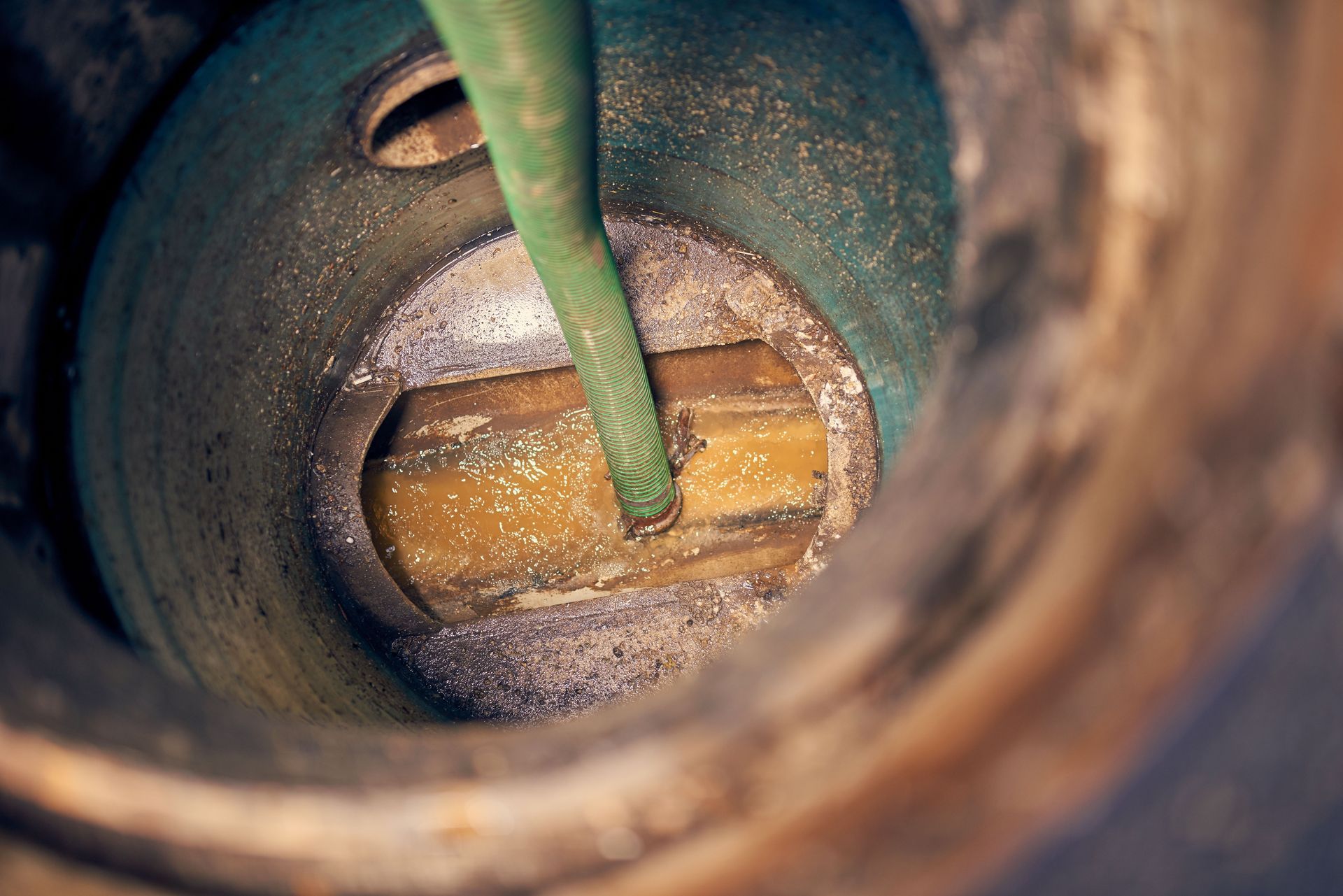
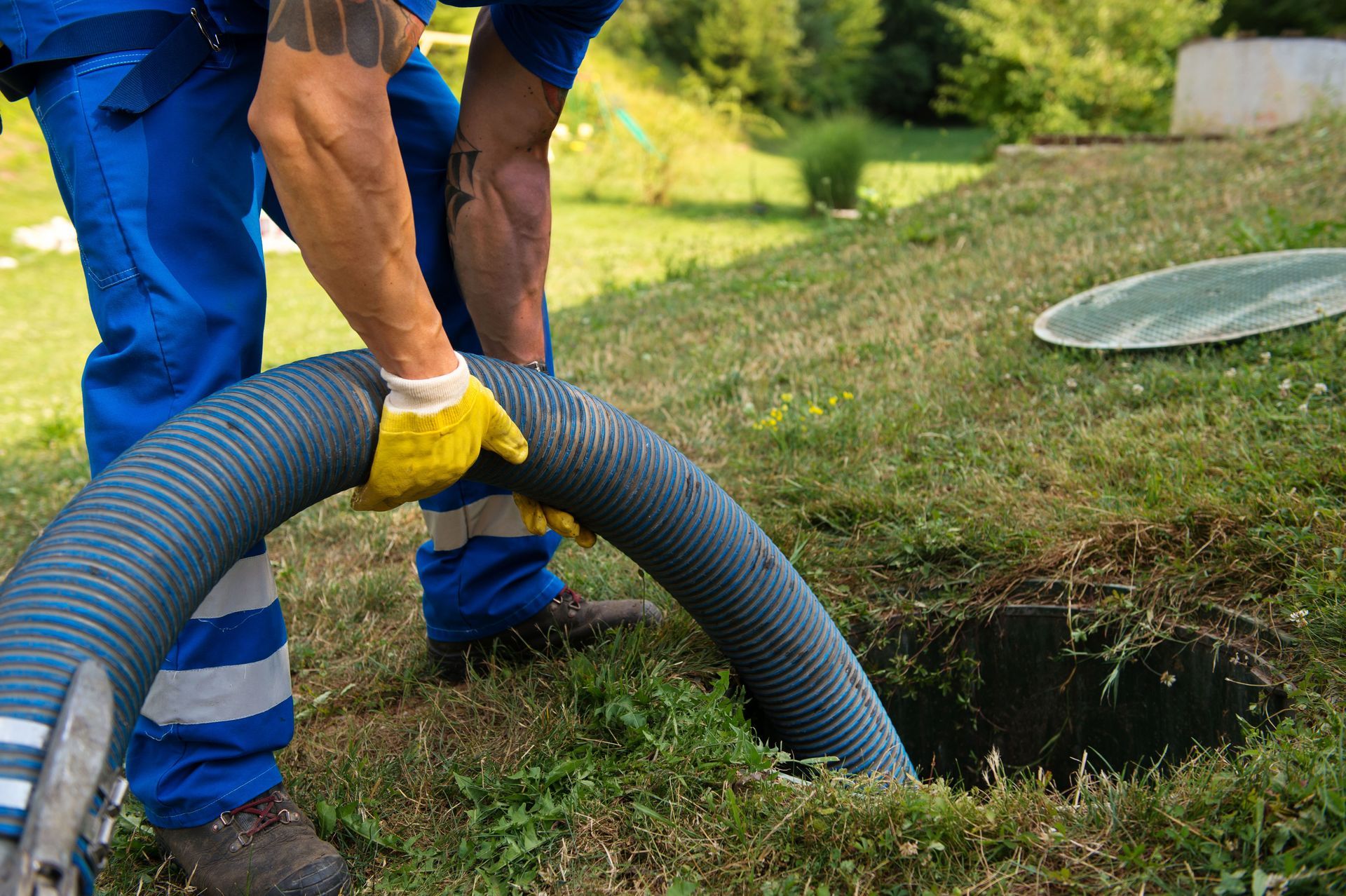
Proper septic maintenance helps prevent costly repairs and reduces the need for excavation service work by protecting your system from major damage.
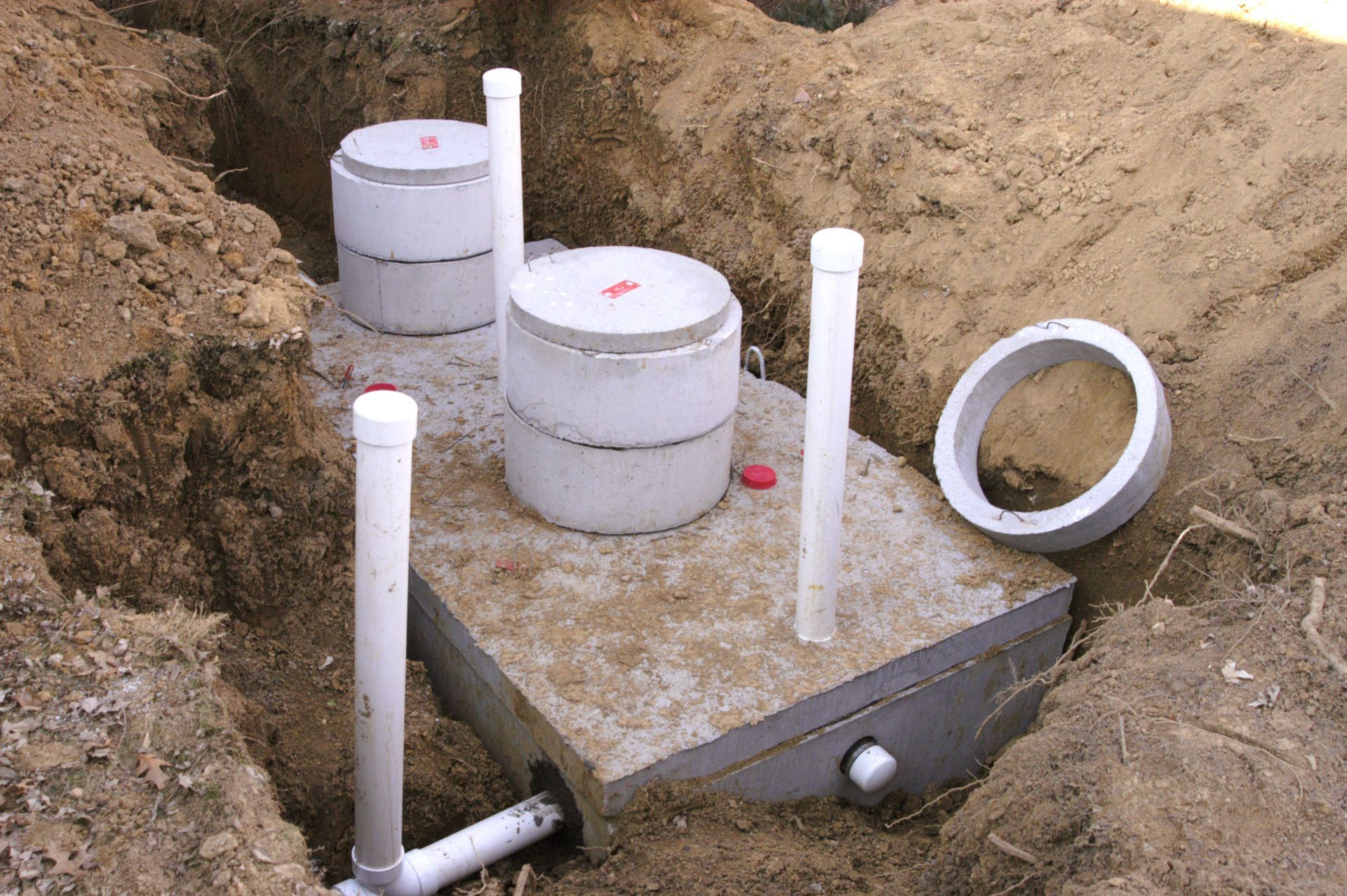
Keep your septic system running smoothly! Discover how routine care prevents major backups and avoids the need for costly excavation services.
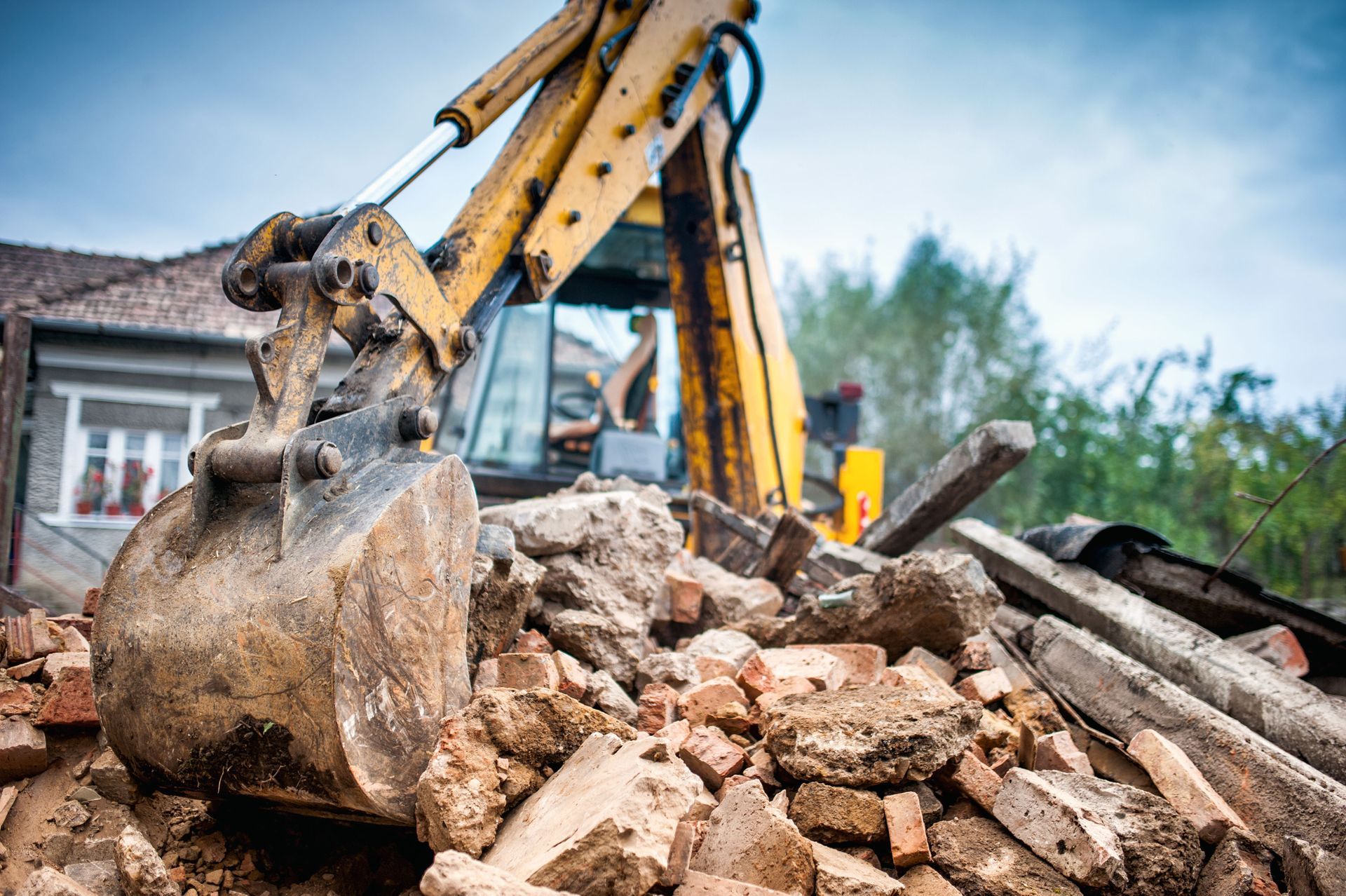
As environmental awareness grows, choosing a demolition service with eco-friendly practices has never been more critical. Understanding the right questions to ask can make all the difference in ensuring that your project is both effective and environmentally responsible. This guide provides an outline of essential eco-conscious questions to consider when selecting a demolition service. By focusing on the right areas, you can help reduce the environmental footprint associated with demolition activities. Choosing a contractor who prioritizes sustainability can contribute significantly to broader environmental goals. Assessing Experience and Certification When selecting a demolition service, it's important to verify that the company holds the necessary professional certifications. These certifications are an indication that the company is committed to maintaining high industry standards, including eco-friendly practices. Ensuring that the demolition service is certified by recognized bodies provides confidence that they uphold regulatory requirements. Companies with certifications in eco-friendly practices are more likely to implement sustainable methods that minimize environmental impacts. Asking about certifications is a crucial step towards making an environmentally responsible choice. Exploring Experience With Eco-Friendly Projects Experience plays a vital role in determining a demolition service's capacity to handle eco-friendly projects. It's beneficial to inquire about any past projects that involved eco-conscious demolition methods. Understanding a company's track record with previous eco-friendly demolitions offers insights into their capability to execute your project sustainably. The experience can also reflect their familiarity with innovative techniques that prioritize environmental preservation. This experience translates to more effective and responsible execution of demolition activities. Understanding Compliance With Environmental Regulations Compliance with environmental regulations is non-negotiable when selecting a demolition contractor for excavation services. Ensuring that the service provider adheres to local, state, and federal environmental laws is essential to avoid legal pitfalls. Non-compliance can result in significant fines and delays, impacting your project's timeline and budget. Companies that prioritize compliance are more likely to embrace sustainable practices as part of their operational ethos. Understanding how the service aligns its operations with environmental regulations is key to choosing an eco-responsible partner. Verifying Insurance and Liability Coverage A crucial consideration is the insurance and liability coverage that a demolition service possesses. This coverage is important not just from a risk management perspective but also indicates a company's dedication to high safety standards. Adequate insurance can cover potential mishaps during demolition, which could otherwise lead to environmental degradation. Confirming this coverage provides peace of mind that any unforeseen events will be handled professionally and responsibly. It's an assurance of the company's commitment to responsible environmental stewardship. Checking References and Reviews for Past Eco-Friendly Projects References and reviews provide valuable insights into a demolition service's track record concerning eco-friendly projects. By contacting past clients, you can get firsthand accounts of the company's ability to meet eco-conscious goals. Reviews and testimonials can shed light on how the service handled issues related to sustainability and adherence to environmental guidelines. A positive feedback trail is indicative of a company's reliability in upholding eco-friendly standards. This information is indispensable when making an informed, environmentally sound choice. Recycling and Reuse Strategies Effective material separation is fundamental in sustainable demolition practices, facilitating recycling and reuse. Demolition services that prioritize material separation can significantly reduce waste reaching landfills. It's important to discuss with the service how they categorize materials on-site and their methods for ensuring minimal cross-contamination. This not only enhances recycling effectiveness but also aligns with environmental conservation efforts. A comprehensive material separation process is a testament to a company's dedication to minimizing its ecological footprint. Understanding Partnerships With Recycling Facilities Strong partnerships with recycling facilities are crucial for any demolition service claiming to be eco-conscious. These partnerships can enhance the efficiency of material recycling, translating to better sustainability metrics. Inquiring about a service provider's relationships with local and national recycling facilities underscores their commitment to responsible waste management. Demolition companies that cultivate these partnerships are better positioned to ensure that recyclable materials are processed correctly. This effort supports the broader goal of reducing construction and demolition debris. According to information provided by the Environmental Protection Agency, the volume of waste generated by construction and demolition activities in the U.S. reaches approximately 600 million tons every year. This massive accumulation of debris underscores the critical need for professional excavation services and demolition teams to implement rigorous sorting and recycling protocols on every job site. Inquiring About On-Site Salvage and Reuse Practices Salvage and reuse practices on demolition sites present another avenue for eco-friendly activities. It's critical to understand the extent to which a service engages in on-site salvage efforts. This involves assessing their strategies for salvaging materials for reuse in new construction projects or donations. Encouraging reuse not only saves resources but also reduces demand for new materials, lessening the environmental burden. A demolition company with established reuse practices contributes positively to the circular economy, promoting sustainability. Verifying Track Record of Recycling Percentages To measure a demolition service's sustainability, it's essential to verify its track record regarding recycling percentages. High recycling rates are indicative of a company's commitment to reducing landfill contributions. When a company provides transparent recycling statistics, it allows you to assess their effectiveness in implementing eco-friendly practices. Ensuring that your chosen demolition service consistently achieves high recycling percentages supports global environmental objectives. These practices contribute to decreasing the construction industry's overall environmental impact. Exploring Collaboration With Nonprofits for Material Donation Collaboration with nonprofits for material donation is a practice that some eco-conscious excavation services employ. Donating reusable materials can assist in community development projects while keeping waste from landfills. By exploring this type of partnership, a demolition service can enhance its environmental and social responsibility. Supporting nonprofits through material donation demonstrates a broader commitment to sustainable practices beyond the site. It exemplifies a holistic approach to eco-conscious demolition, benefiting both the environment and local communities. Disposing Waste Responsible landfill usage is an important aspect of sustainable demolition practices. Companies committed to minimizing landfill waste actively seek alternatives such as recycling and reuse. Asking about how a service manages landfill contributions can highlight their commitment to sustainability. Responsible demolition services aim to send as little waste to landfills as possible, contributing to reduced environmental pollution. This is essential in an industry where the generation of debris is immense, totaling hundreds of millions of tons each year in the United States. Discussing Hazardous Material Management The management of hazardous materials during demolition is a critical environmental concern. Ensuring safe handling and disposal practices prevents ecological and public health risks. A thorough understanding of how a service manages these materials indicates its level of environmental responsibility. Detailed protocols for identifying, handling, and disposing of hazardous materials are crucial for eco-conscious operations. Companies that excel in this area contribute to safety while reducing potential contamination and environmental damage. Evaluating Non-Toxic Demolition Practices Adopting non-toxic demolition practices is becoming increasingly important in promoting environmental health. These practices minimize the release of harmful substances during the demolition process. Evaluating a service's ability to implement such methods can assure its eco-friendly focus. Non-toxic approaches often require the use of specialized techniques and equipment but offer significant long-term environmental benefits. Services that prioritize these practices demonstrate a commitment to limiting their ecological footprint. Ensuring Compliance With Local Disposal Regulations Local disposal regulations are in place to protect communities and the environment from potentially harmful demolition practices. Ensuring compliance with these regulations is essential for all eco-conscious excavation services. Adherence to local laws ensures that waste disposal processes align with public health and environmental quality standards. By verifying compliance, you can ascertain a service provider's commitment to environmental stewardship. Choosing a demolition service that aligns with eco-conscious values not only supports environmental responsibility but can also lead to cost savings and community benefits. By asking the right questions, you can ensure that your project minimizes ecological impact while maximizing efficiency. These inquiries equip you with the necessary knowledge to make an informed decision that benefits both the environment and your project goals. Whether you are preparing a site for new construction or clearing land for a secondary structure, professional excavation services are the backbone of a successful build. If you need a partner who values environmental safety as much as structural integrity, contact Greer Septic Service today to schedule your consultation and learn more about our high-quality excavation services .

